
모던 디자인의 시작
The most prominent designers of the Bauhaus movement are:
Paul Klee (1920)
Wassily Kandinsky (1922)
László Moholy-Nagy (1923)
Oskar Schlemmer (1920)
Joseph Albers (1923)
Ludwig Mies van der Rohe (1928)
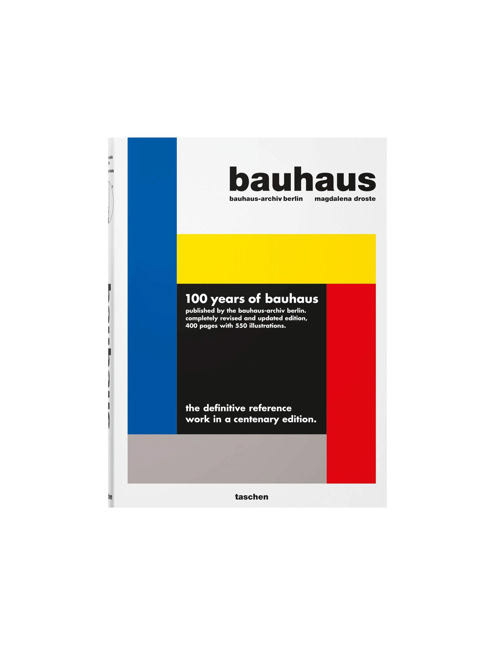
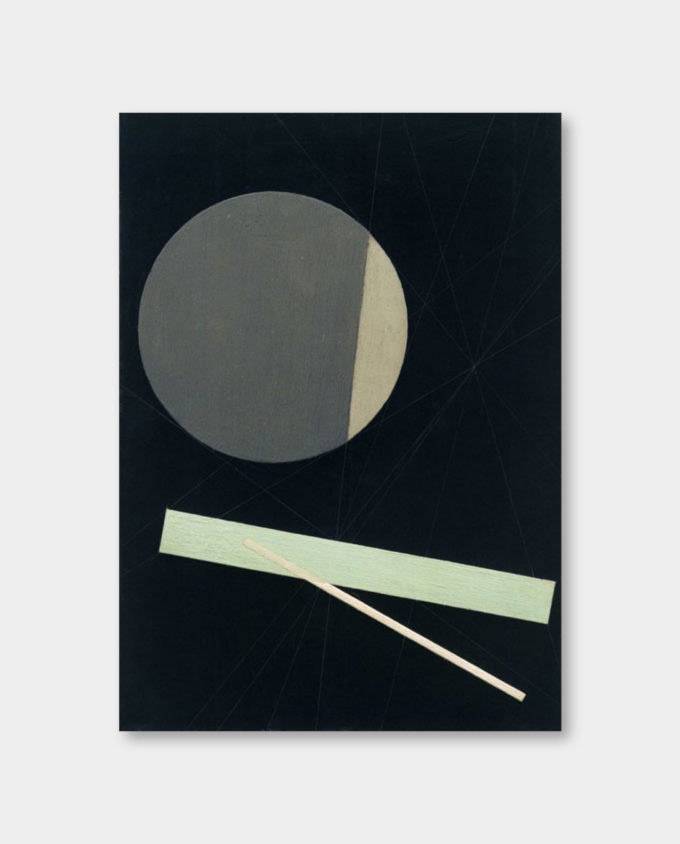
WE LOVE
SIMPLE SHAPE
About Bauhouse
바우하우스의 마이스터,그들의 교육과 예술,독일어로 바우 ‘Bau’는 건축을 뜻하고 하우스 ‘Haus‘는 집을 의미한다. ‘건축의 집’이라는 뜻을 가진 바우하우스는 독일 바이마르의 발터 그로피우스(Walter Gropius)가 설립한 운영 학교와 협력하여 형성되었으며, 이 학교는 학생과 교사가 디자인 스튜디오, 워크샵 및 학교에서 예술과 공예를 추구하도록 장려했다. 대량 생산 원칙, 개인의 예술적 비전, 미학, 일상 기능을 결합하려고 시도하였다. 학교는 1925년 데사우에서 1932년 베를린으로 이전한 뒤 1933년 나치에 의해 강제 폐교되기까지 약 14년간 이어 온 예술 교육기관으로, 기존의 학교와는 다른 교육 이념과 커리큘럼을 갖고 출발한 새로운 교육 시스템이다. 독일의 바우하우스 운동은 디자인에 대한 혁신적인 접근 방식으로 예술, 디자인, 건축 운동으로 확장되어 현대미술 사조에 큰 영향을 끼쳤으며 지금까지도 미학을 통해 건축가, 예술가, 디자이너에게 계속 영감을 주는 영향력 있는 운동이 되었다.
Bauhaus, derived from the German words "Bau" meaning architecture and "Haus" meaning house, translates to "House of Building" in English. Bauhaus, founded by Walter Gropius in Weimar, Germany, collaborated with an operational school to shape education and art. The school aimed to encourage students and teachers to pursue arts and crafts in design studios, workshops, and the school, emphasizing the combination of mass production principles, individual artistic vision, aesthetics, and everyday functionality. Established as an influential art education institution, it operated for about 14 years, moving from Dessau in 1925 to Berlin in 1932, until it was forcibly closed by the Nazis in 1933. The Bauhaus movement in Germany expanded into an innovative approach to design, influencing modern art movements and continuing to inspire architects, artists, and designers through aesthetics.
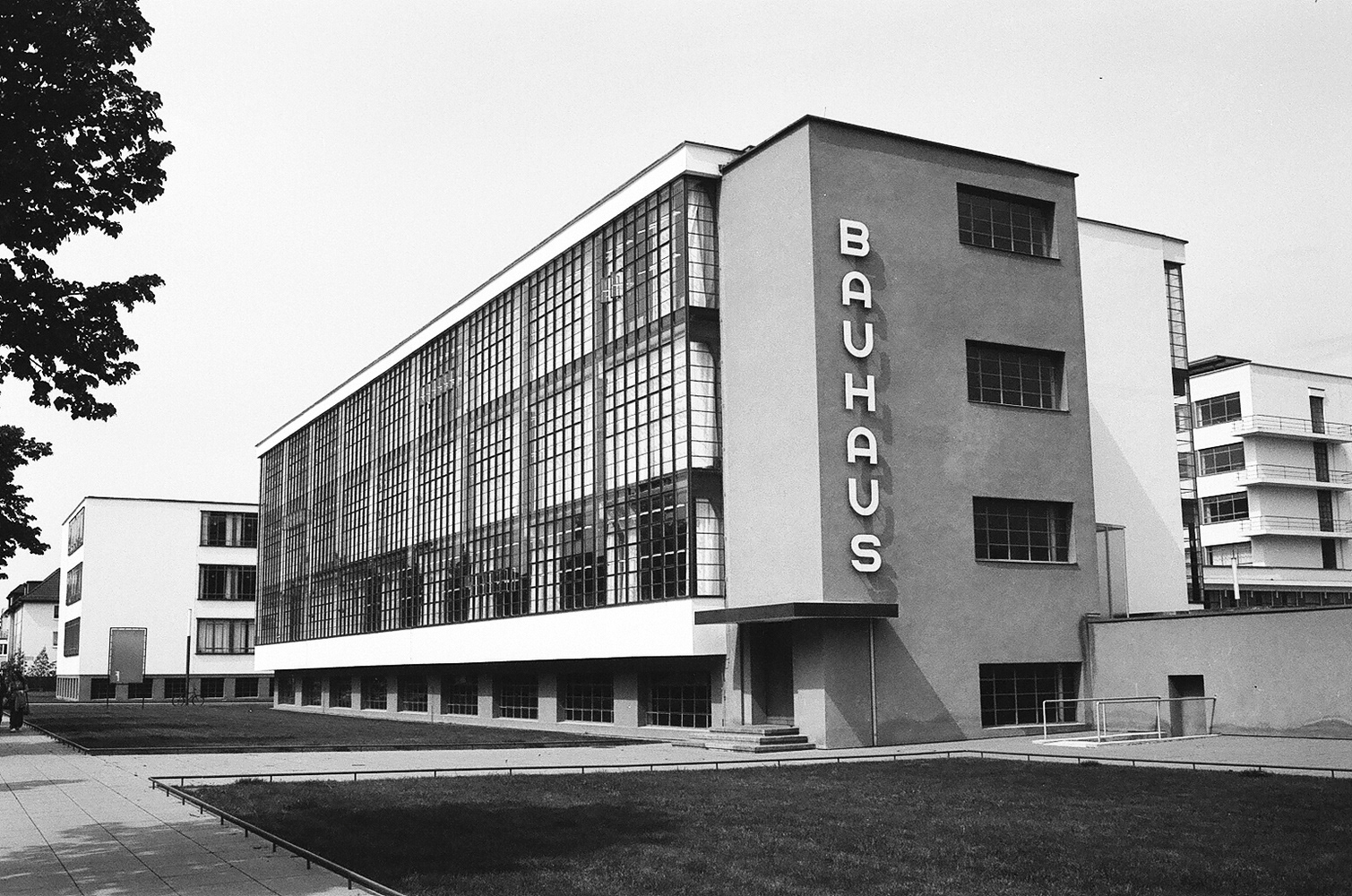
간결한 라인의 반복, 그리드의 정갈함
바우하우스는 1917년부터 1933년까지 지속된 합리적이고 기능적인 독일 디자인 운동이었습니다. 점점 더 대량 생산되고 산업화되는 세계에서 예술과 공예 기술을 사용하여 가구, 가정용품, 타이포그래피, 그래픽 아트 및 건물을 디자인함으로써 학문 간의 경계를 모호하게 만들었다. 직선과 곡선이 만든 단순함, 이것이 '바우하우스의 결정체'이다. 떨어지는 라인의 끝을 바라보고있으면 완벽한 쾌감과 정갈함의 정수를 느낄 수 있다. 직육면체 매스를 격자로 쌓아 올려 기능적이면서도 간결한 공간감을 느낄 수 있는 편안함을 갖춘 모던한 현대 디자인의 기초가 되었다. 21세기의 현대인들이 아직까지도 바우하우스 스타일을 선호하는 이유는 합리적인 이유와 더불어 전체적인 공간이 필요한 가구 이외에 별다른 장식을 하지 않아도 형태의 아름다움을 충분히 느낄수있기 때문이 아닐까?
Bauhaus was a rational and functional German design movement lasting from 1917 to 1933. In a world increasingly characterized by mass production and industrialization, it blurred the boundaries between disciplines by using arts and crafts techniques to design furniture, household items, typography, graphic arts, and buildings. The essence of Bauhaus is simplicity created by lines, both straight and curved. By stacking rectangular masses in a grid, it laid the foundation for comfortable and functional modern design, providing a sense of order and simplicity. The preference for Bauhaus style in the 21st century may stem from its ability to convey beauty through form without the need for excessive decoration, particularly in furniture designed for overall spatial needs.
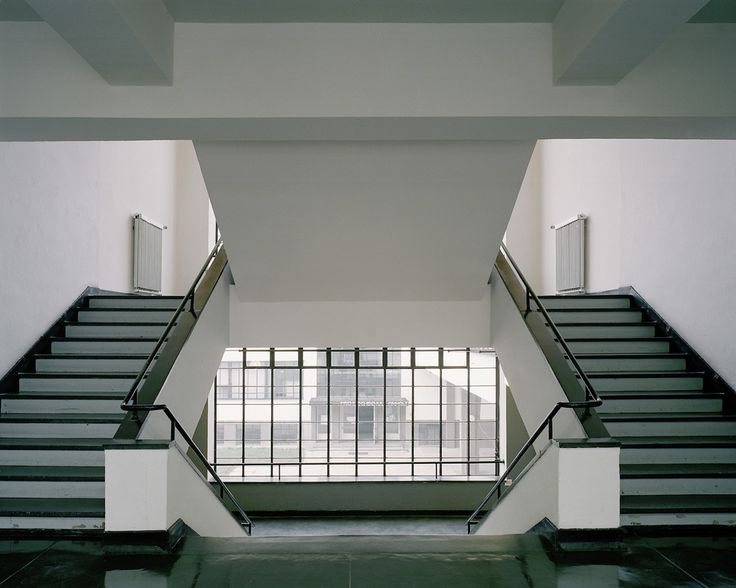
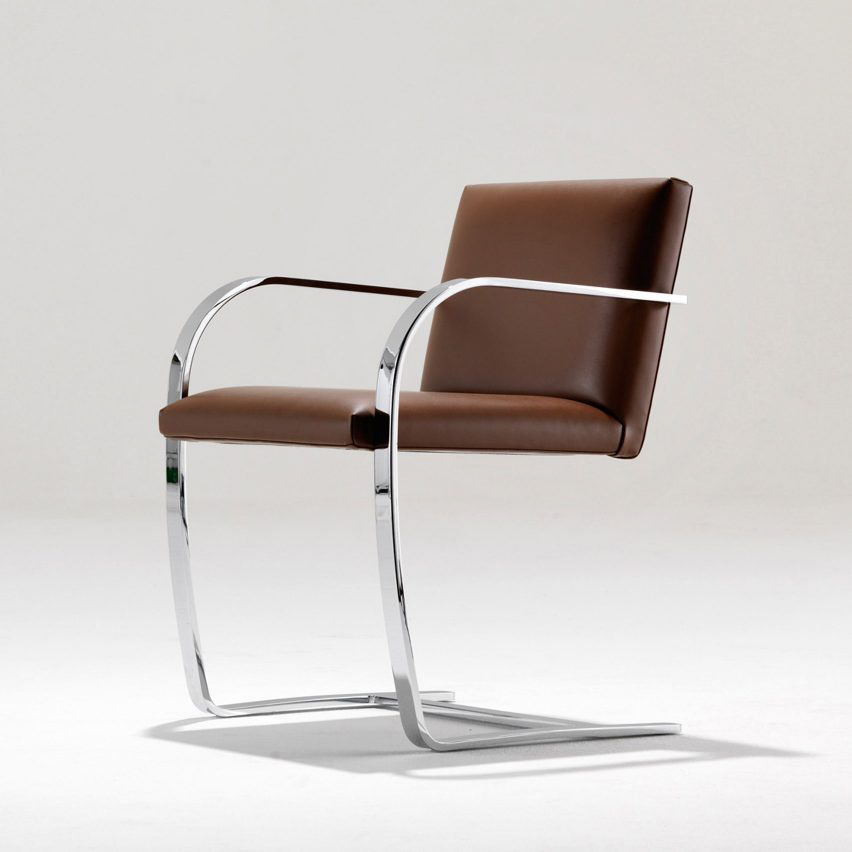
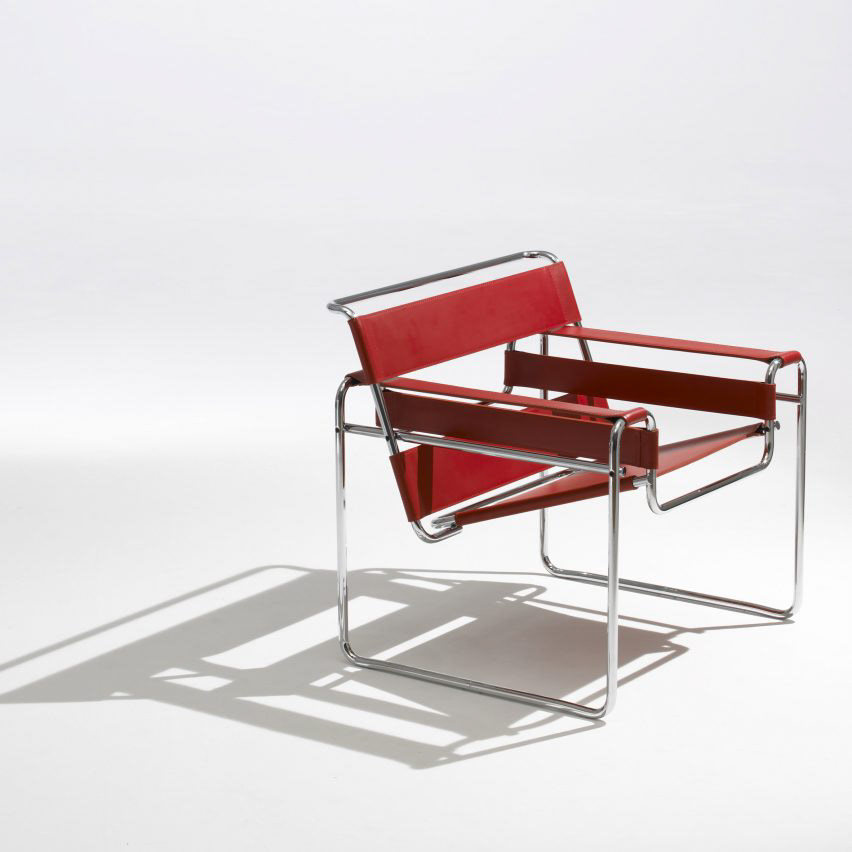
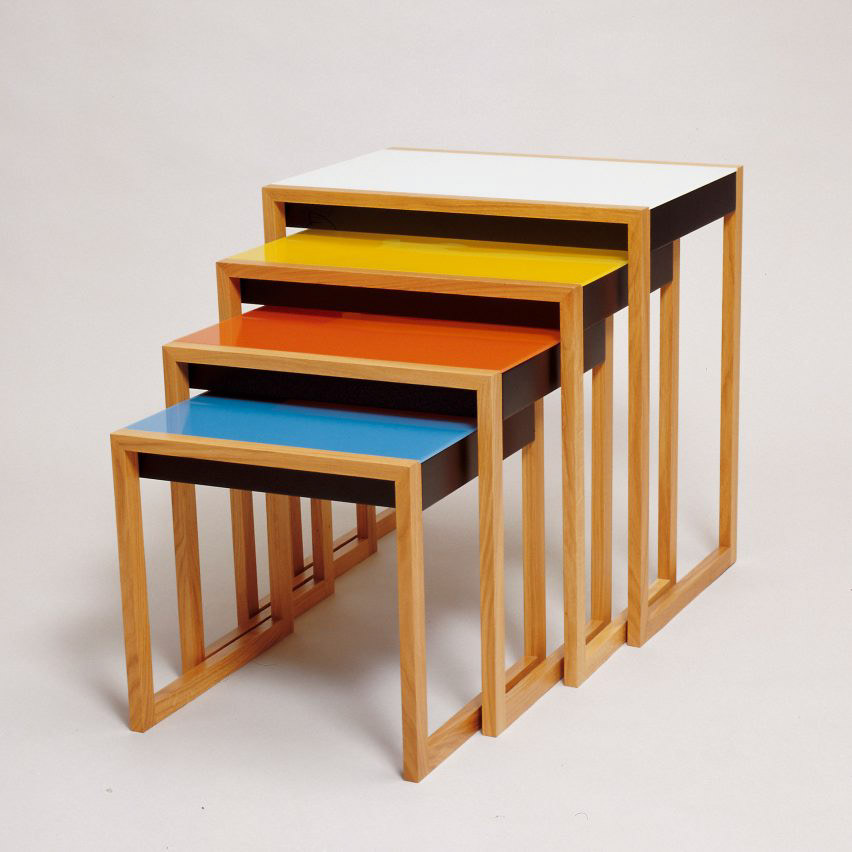
From Follows Function
'형태는 기능으로 부터'
“형태는 기능을 따른다”는 개념은 19세기 말과 20세기 초 산업 디자인의 인테리어 디자인과 건축 양식과 연결된다. 유명한 건축가 루이스 H. 설리번(Louis H. Sullivan)이 1896년 “예술적으로 고려한 높은 사무실 건물”이라는 제목의 에세이에서 사용하여 대표적으로 바우하우스사조를 설명하는데 자주 인용되는 말이다. 건물의 외부 디자인이 내부 기능을 따르고 반영해야 함을 의미한다. 20세기 중반이었다면 모더니즘 건축가들은 이 의미와 관련된 용어를 '기능주의'라고 불렀을 것이다.디자인은 그것이 제공할 목적이나 기능과 일치해야 한다는 점을 강조하기 때문에 이 원칙은 주로 미적 요소나 화려한 요소에 대한 아이디어보다 기능적이고 실용적인 디자인 특성을 제공하며 형태의 본재료 금속, 비닐, 유리, 합판 등 산업자재를 활용한 기능성을 강조한 디자인을 따르는 양식을 중요시한다.
The concept of "form follows function" is connected to late 19th and early 20th-century industrial design, interior design, and architectural forms. The phrase, frequently quoted to describe the Bauhaus movement, was used by architect Louis H. Sullivan in an essay titled "The Tall Office Building Artistically Considered" in 1896. It emphasizes that the external design of a building should follow and reflect its internal function. If it were in the mid-20th century, modernist architects might have referred to this concept as "functionalism." Emphasizing that design should align with its purpose and function, this principle prioritizes functional and practical design features over aesthetic or ornamental elements, utilizing industrial materials such as metal, vinyl, glass, and plywood.
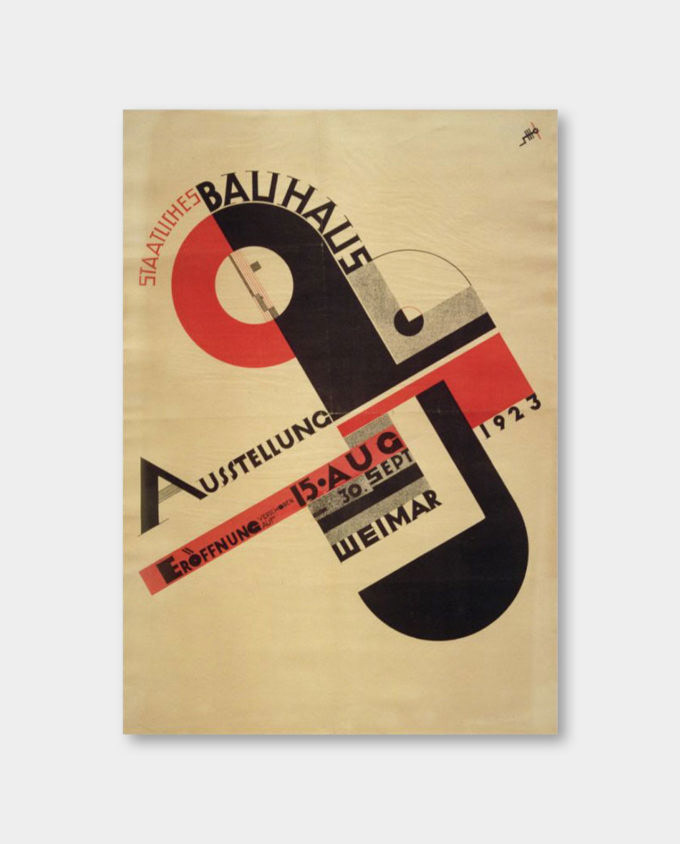
바우하우스 가구 미학
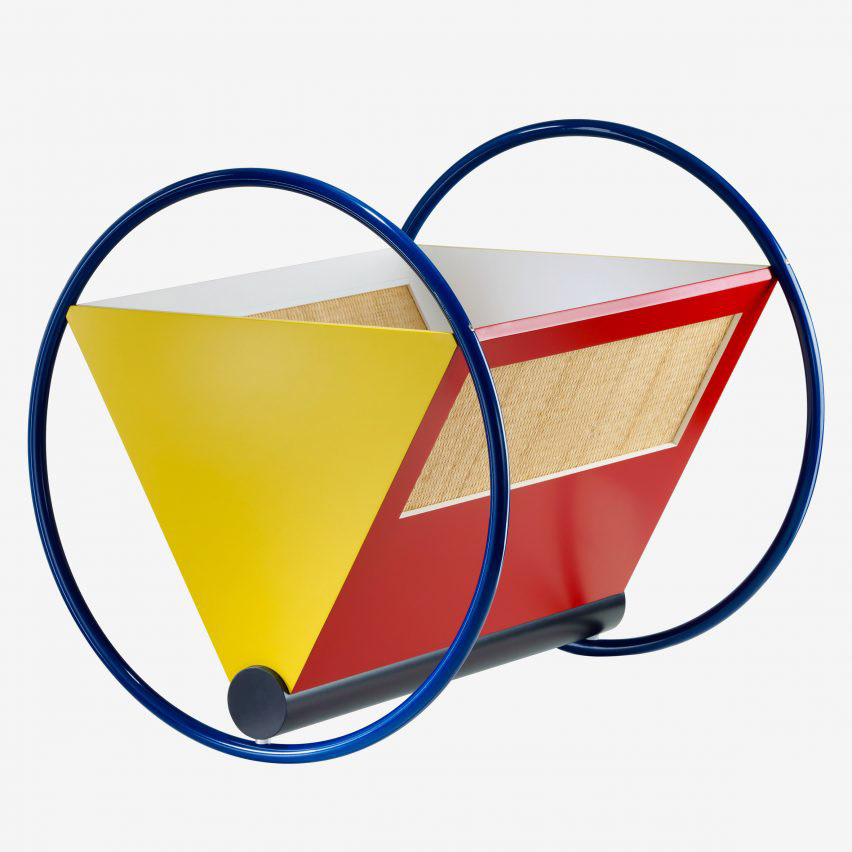
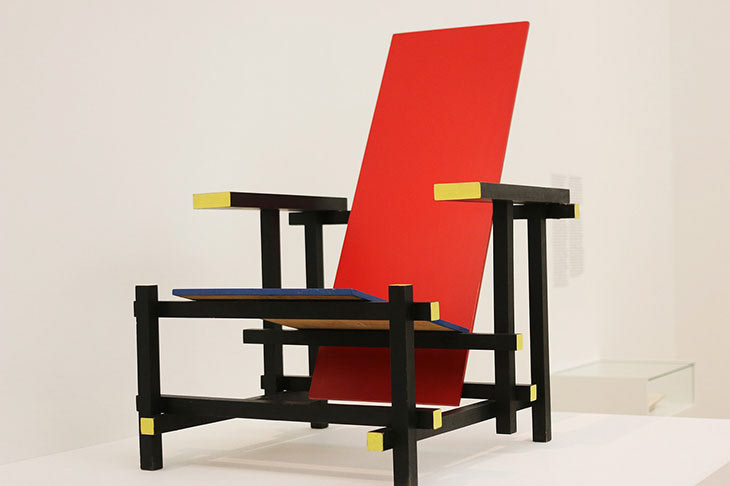
바우하우스 디자인의 가장 눈에 띄는 요소 중 하나는 기하학적 형태에 중점을 둔 것이다.모더니즘의 합리적인 생각은 직선으로 표현함을 기초로 한다. 다만 바우하우스의 디자인은 과하지 않은 곡선을 사용하여 인체공학적인 라인을 완성하였다.직선을 통해 정돈되고 깔끔한 느낌을 연출하되, 정갈하고 깔끔한 곡선은 간결함과 합리적인 구성이으로 연출된다. 아름다운 균형감을 가진 바우하우스만의 가구는 그자체만으로도 공간에 존재감을 느낄 수 있다.
One prominent feature of Bauhaus design is its emphasis on geometric forms. Modernist thinking is based on expressing ideas through straight lines, and Bauhaus design completes this by incorporating subtle curves for ergonomic lines. It achieves a sense of order and neatness through straight lines, while clean and graceful curves contribute to simplicity and rational composition. Bauhaus furniture, with its beautiful sense of balance, can create a strong presence in a space on its own.
Functionality/Simplicity
Monochromatic colors
Primary colors
Use of glass, concrete and steel
Elemental sameness
최소한의 색, 재료
미니멀이란 이런것
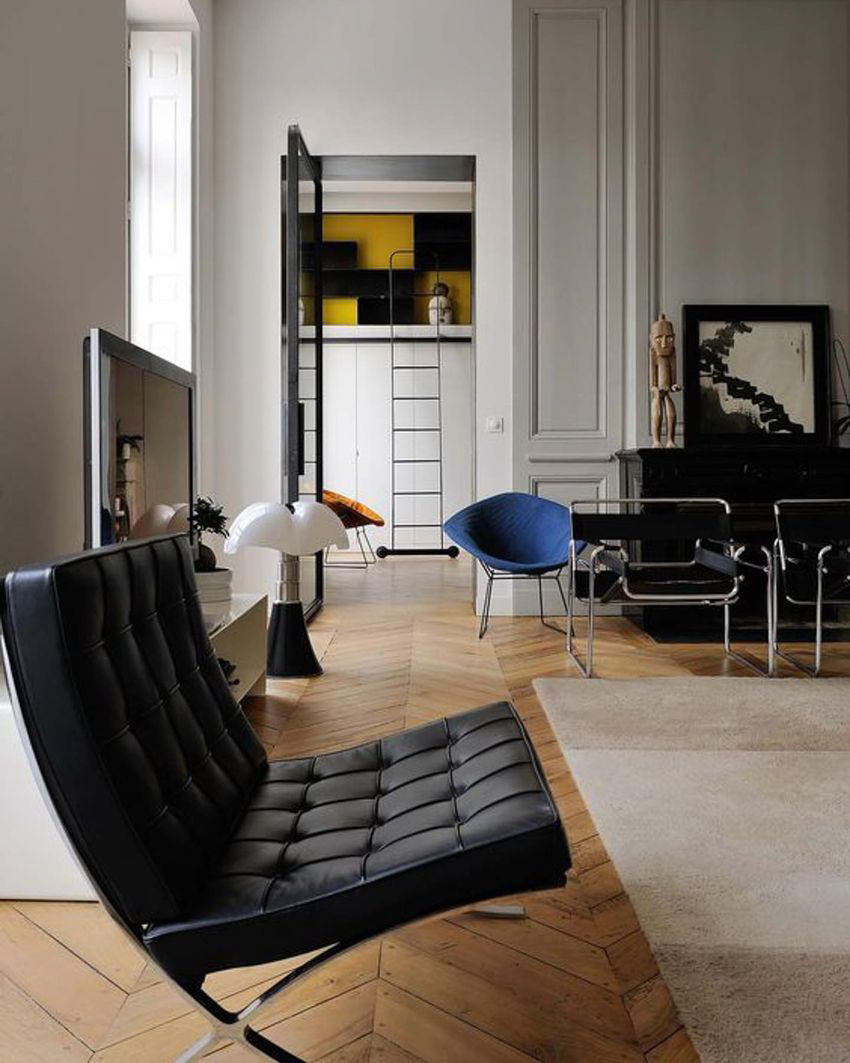
바우하우스 디자인의 특징은 최소한의 색상 팔레트를 사용한다는 것이다. 일반적으로 검정색, 흰색, 회색과 같은 중성색이 포함하며 대담하지만 절제된 원색(빨간색, 노란색, 파란색)을 사용할 수도 있다. 즉 바우하우스 스타일은 인테리어나 디자인, 색상 팔레트를 선택할 때 . 몇 가지 기본 색상을 고수하고 더 밝은 기본 색상의 액센트 단순화하여 간결하게 표현한 것이 특징이다. 또한 복잡한 패턴과 복잡한 디자인보다는 기본 형태에서의 단순하고 기능적인미니멀을 추구한다.
A distinctive feature of Bauhaus design is the minimal use of color palettes, typically including neutral colors like black, white, and gray, with occasional accents of bold primary colors (red, yellow, blue). The Bauhaus style simplifies and expresses a concise design by adhering to a few basic colors and streamlining the use of brighter accent colors. Additionally, it favors simplicity and functionality in basic forms over complex patterns and intricate designs when selecting interior design, color palettes, and patterns.